What is Wholesale Hanging Plants and Why Are They Popular?
In recent years, the trend of Wholesale Hanging Plants has surged. These plants offer a unique aesthetic appeal that transforms indoor and outdoor spaces. According to a report by IBISWorld, the market for wholesale plants has grown by over 5% annually, highlighting their popularity. Experts suggest that these plants enhance air quality while being low-maintenance options for busy consumers.
Dr. Jane Green, a horticulture specialist, states, "Wholesale Hanging Plants have become essential in modern decor." They provide greenery without taking up valuable floor space. As urban living increases, the demand for creative solutions in small areas rises. However, this trend prompts a need for careful sourcing and quality control, as not all suppliers meet industry standards.
While beautiful, many consumers may struggle with the longevity of hanging plants. Choosing the right species and care regimen remains crucial. This reflects a broader challenge within the wholesale market where quality assurance is paramount. Sustainable practices also concern many buyers, emphasizing the need for responsible sourcing in the Wholesale Hanging Plants industry.
What are Wholesale Hanging Plants and Their Characteristics?
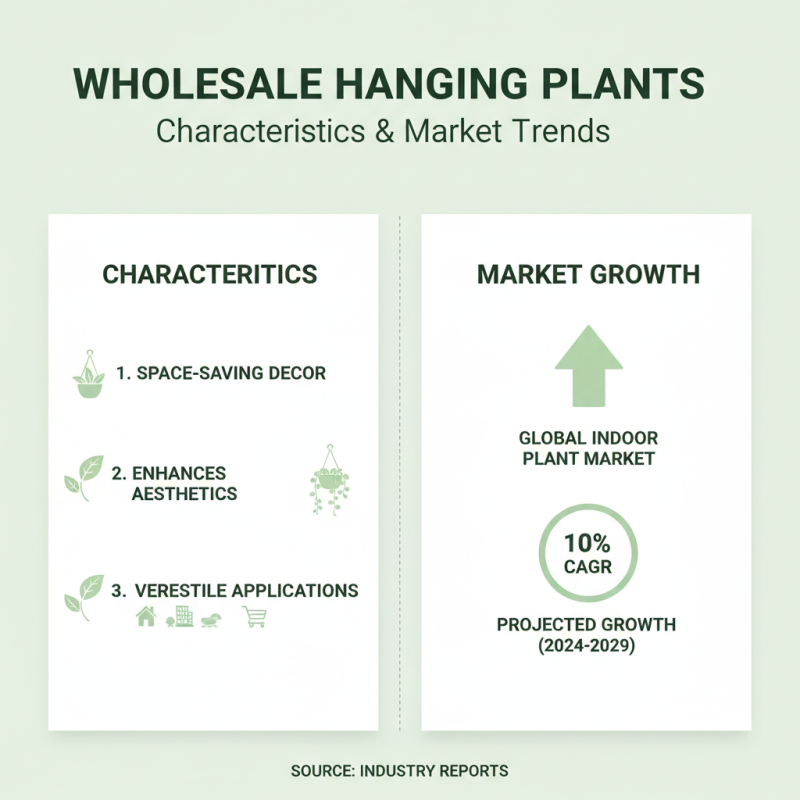
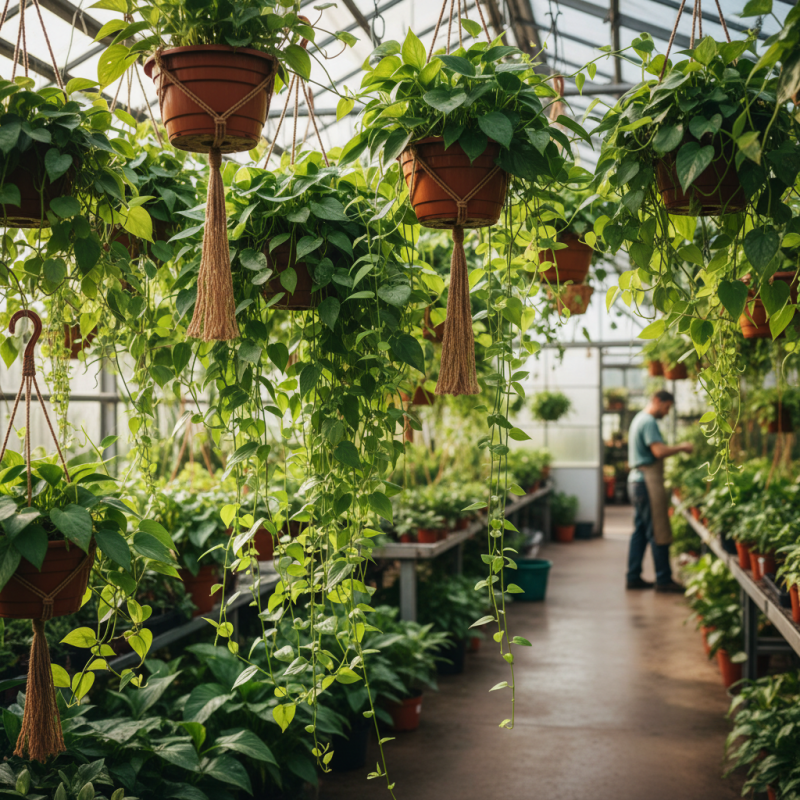
Wholesale hanging plants are becoming increasingly popular for various reasons. These plants offer versatility in decor, adding greenery without occupying floor space. They are often used in homes, offices, and commercial spaces to enhance aesthetic appeal. According to recent industry reports, the global indoor plant market is projected to grow significantly, with a CAGR of 10% over the next five years.
Characteristics of wholesale hanging plants include their adaptability and low maintenance. Many varieties thrive in various indoor environments, allowing consumers to enjoy greenery easily. Plants like pothos and ferns are resilient and require minimal care. Moreover, hanging plants can improve air quality by filtering pollutants. Studies show that having indoor plants can lead to a 20% increase in productivity and reduce stress levels among employees.
However, there are challenges in sourcing quality wholesale plants. Issues such as pests and inconsistent supply chains can affect product availability. Consumers may find it difficult to choose the right plants that fit their space and lifestyle. It’s crucial to research and ensure that suppliers promote healthy plants that meet industry standards. Balancing aesthetics with the care requirements of these plants can lead to a more rewarding and sustainable indoor environment.
Market Trends: The Rising Popularity of Wholesale Hanging Plants
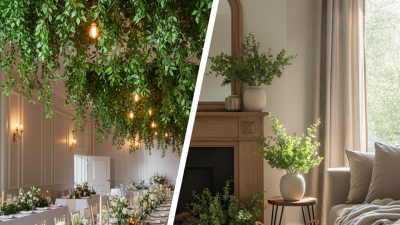
The trend of wholesale hanging plants is captivating both consumers and retailers. Interest in these plants has surged due to their versatility and aesthetic appeal. They easily fit into various spaces, from cozy apartments to bustling offices. As urbanization grows, many seek ways to bring nature indoors. Hanging plants, with their trailing vines and lush green leaves, offer a perfect solution.
Market research shows a notable increase in demand for wholesale hanging plants. Many consumers appreciate the low-maintenance aspect of these plants. They require minimal care, making them ideal for busy lifestyles. Additionally, they improve indoor air quality and enhance mood. These benefits contribute to their popularity in current home decor trends.
However, it is essential to consider the sourcing of these plants. Ethical practices in plant production can be overlooked in a rush for profit. This raises questions about sustainability. Buyers should reflect on their choices and seek suppliers committed to responsible practices. By doing so, they can enjoy the beauty of hanging plants while supporting the environment.
Market Trends: The Rising Popularity of Wholesale Hanging Plants
Key Benefits of Using Hanging Plants in Interior Spaces
Hanging plants have gained immense popularity in interior design, offering numerous benefits. They not only enhance aesthetics but also improve indoor air quality. According to a study by NASA, plants can remove up to 87% of indoor pollutants within 24 hours. This makes them an excellent choice for creating healthier living spaces.
Using hanging plants can also maximize space, especially in smaller interiors. They draw the eye upward, creating an illusion of larger spaces. Plants like pothos and spider plants are perfect for this, as they thrive in suspended pots and require minimal care. Additionally, engaging with plants has been shown to reduce stress, promoting well-being in your home.
**Tip:** Consider varying plant heights to create visual interest. This layering effect adds depth and dynamics to your space. Regularly check for dryness in the soil; overwatering can harm your plants. Balance is key.
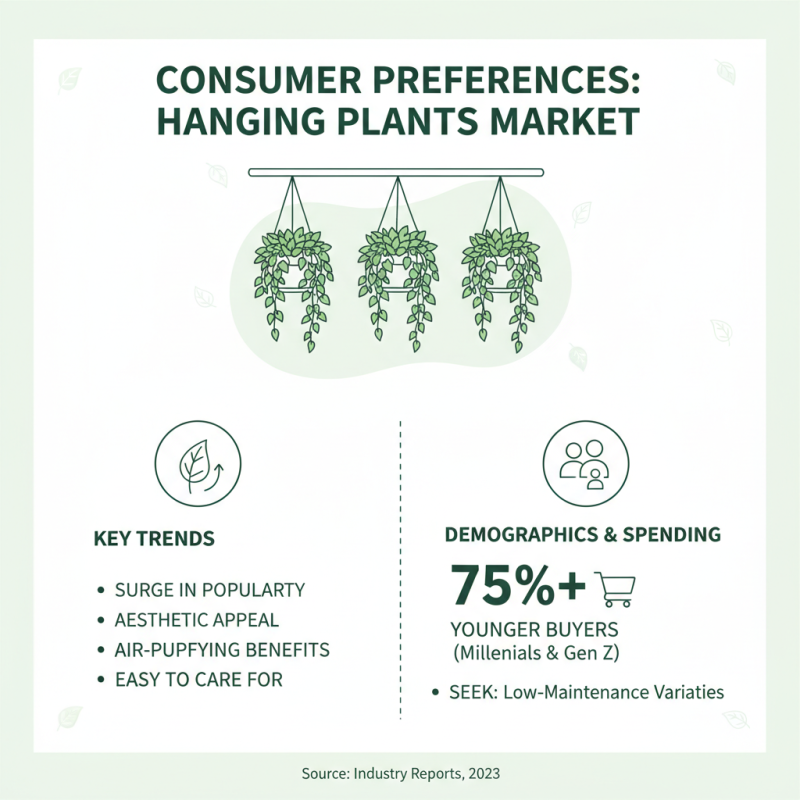
Consumer Preferences: Demographics and Spending in the Hanging Plants Market
The hanging plants market is experiencing a surge in popularity among consumers. Recent trends reveal that younger demographics, particularly millennials and Gen Z, are increasingly drawn to these greenery pieces. They appreciate the aesthetic appeal and the air-purifying benefits of plants. These consumers often seek plants that are easy to care for, making hanging plants an ideal choice.
Spending habits show a growing willingness to invest in home decor, with hanging plants emerging as a top preference. Many buyers focus on sustainability and prefer locally sourced plants. This reflects a greater awareness of environmental issues among consumers. It indicates a shift towards responsible purchasing decisions. However, not all consumers fully understand how to care for these plants, leading to a mix of satisfaction and frustration. Some may buy hanging plants impulsively without considering their living conditions. This can result in poor plant health and disappointment. Education in plant care could enhance their experience and foster a loyal customer base.
Sustainability and Environmental Impact of Wholesale Hanging Plants
Wholesale hanging plants are gaining traction in the marketplace, largely due to the growing emphasis on sustainability. Industry reports indicate that the global plant market is projected to reach $72 billion by 2028. Many consumers are increasingly looking for eco-friendly options that can enhance their living spaces. Hanging plants offer a unique aesthetic, allowing for the vertical utilization of space, which is vital in urban environments where square footage is limited.
Moreover, the environmental benefits of wholesale hanging plants are noteworthy. Studies show that indoor plants can improve air quality by absorbing pollutants and providing oxygen. A report by NASA found that specific plants can remove up to 87% of indoor air toxins within 24 hours. This is significant, especially in densely populated areas with heavy pollution. However, it's essential to address the carbon footprint of transporting these plants. The logistics involved can sometimes contradict the very sustainability these plants promote.
In addition to environmental benefits, the labor practices in plant production deserve scrutiny. While many wholesalers aim for eco-friendliness, sourcing can involve carbon-intensive transportation and unsustainable farming practices. Transparency in the supply chain is paramount. Consumers must question where their plants come from and whether they are eco-conscious. The quest for sustainable practices in wholesale hanging plants remains a complex, ongoing challenge in the industry.
What is Wholesale Hanging Plants and Why Are They Popular? - Sustainability and Environmental Impact of Wholesale Hanging Plants
| Plant Type |
Average Price ($) |
Sustainability Score (1-10) |
Environmental Impact (Low/Medium/High) |
Popularity Trend (Increasing/Stable/Decreasing) |
| String of Hearts |
15 |
9 |
Low |
Increasing |
| Pothos |
10 |
8 |
Medium |
Increasing |
| Ferns |
20 |
7 |
Medium |
Stable |
| Spider Plant |
12 |
9 |
Low |
Increasing |
| English Ivy |
8 |
6 |
High |
Decreasing |