2026 Top Artificial Tropical Plant Manufacturers You Should Know?
In today's rapidly evolving market, the demand for Artificial Tropical Plant Manufacturers is surging. With consumers increasingly seeking low-maintenance greenery, the appeal of artificial plants continues to grow. These products not only enhance aesthetics but also provide a sustainable solution for urban living.
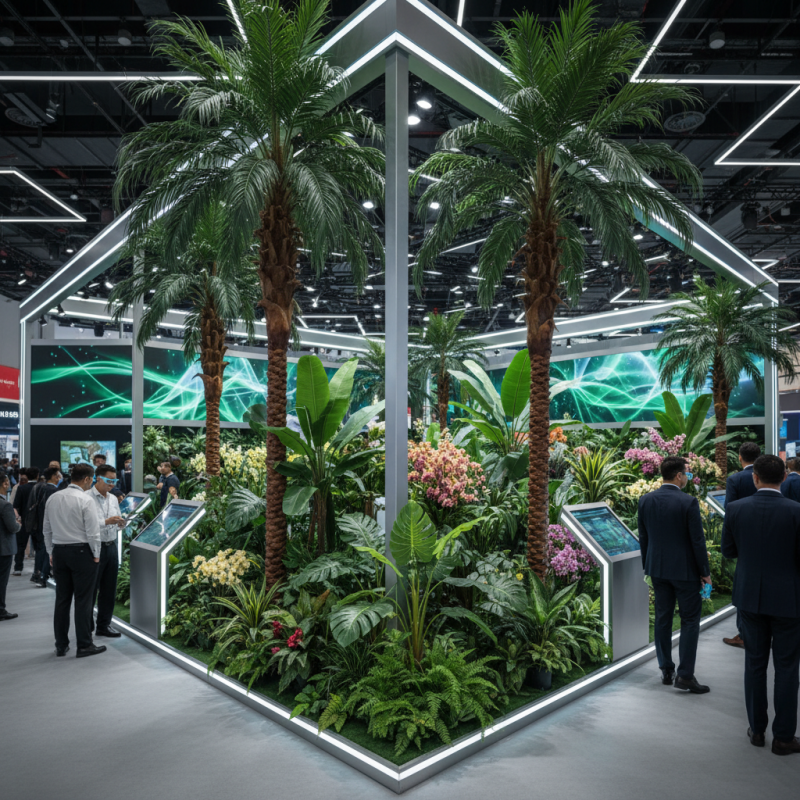
As we look ahead to 2026, the market is set to showcase top manufacturers renowned for their innovative designs. The upcoming Canton Fair will feature these manufacturers, highlighting advancements in production and technology. Attendees will benefit from AI features that streamline vendor selection, making it easier to find reputable suppliers.
However, with this rise in demand, challenges remain. Producers must navigate quality control and sustainability concerns. Some manufacturers may prioritize speed over craftsmanship, risking product integrity. It’s essential for buyers to reflect on these factors during their selection process. As we delve into the top Artificial Tropical Plant Manufacturers, it's crucial to consider both innovation and responsibility in the industry.
Overview of the Artificial Tropical Plant Industry in 2026
The artificial tropical plant industry is experiencing significant growth. In 2026, consumers seek vibrant, nature-inspired decor. These plants require no maintenance and retain their beauty year-round. They fit perfectly into modern homes and offices, enhancing aesthetics effortlessly.
Tips for choosing artificial tropical plants:
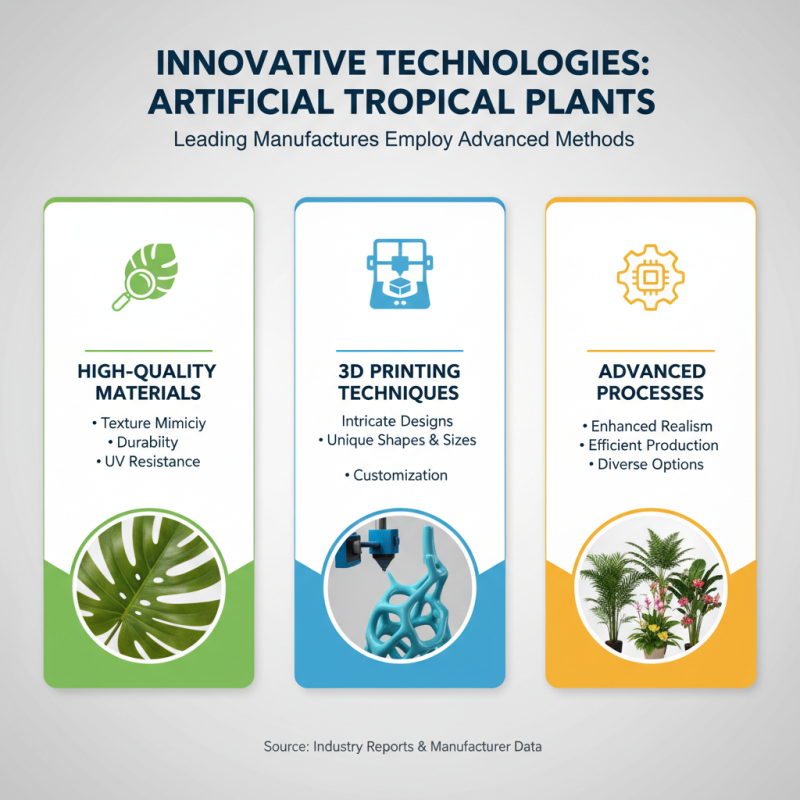
1. Look for realistic textures and colors. High-quality materials make a difference.
2. Consider size and placement. A large palm can dominate a room. Smaller plants suit compact spaces.
3. Check for UV resistance. This ensures longevity for indoor and outdoor settings.
As the industry evolves, trends shift. Eco-friendliness is becoming essential. Some manufacturers are exploring sustainable materials. However, not all options are truly green. Research is vital before making a purchase.
The market is competitive. Many suppliers promise high quality. However, some might fall short. Pay attention to reviews and customer experiences. This ensures you make informed choices for your decor needs.
Key Players in the Global Market for Artificial Tropical Plants
The global market for artificial tropical plants is thriving. Many key players are shaping this industry. They specialize in creating lifelike foliage that brings the tropics indoors. Designs vary widely, encompassing vibrant flowers and lush green leaves. These plants require no sunlight or water, making them practical for various settings.
One crucial aspect of the industry is sustainability. Manufacturers are increasingly focusing on eco-friendly materials. However, it's not always easy to balance quality and environmental impact. Some companies struggle to source sustainable inputs. This raises questions about long-term responsibilities and ethical practices. In a world that prioritizes ecology, this is an important consideration.
Customer preferences also shift frequently. Trends in interior design change, affecting demand. Some consumers prefer minimalistic designs, while others seek bold tropical vibes. Manufacturers must adapt quickly to these trends. It can be challenging to predict what styles will capture the market. Companies often test new ideas; not all succeed. This process of trial and error is essential for growth.
2026 Top Artificial Tropical Plant Manufacturers You Should Know
| Manufacturer Location |
Annual Revenue (Estimated) |
Main Product Focus |
Market Share Percentage |
Sustainability Initiatives |
| North America |
$150 million |
Luxury Artificial Plants |
25% |
Recycled Materials |
| Europe |
$120 million |
Artificial Flowers |
20% |
Eco-Friendly Processing |
| Asia-Pacific |
$90 million |
Faux Tropical Plants |
15% |
Sustainable Sourcing |
| Latin America |
$80 million |
Indoor Plants |
10% |
Energy Efficient Production |
| Middle East |
$70 million |
Outdoor Artificial Trees |
8% |
Waste Reduction Strategies |
Sustainability Practices Among Top Artificial Plant Producers
As the demand for artificial tropical plants increases, many manufacturers are focusing on sustainability. The use of eco-friendly materials is on the rise. Biodegradable plastics and recycled fibers are becoming common in production. Some manufacturers are exploring innovative processes to reduce waste. Yet, there are imperfections in these approaches. Not all materials are completely sustainable, which raises questions for conscious consumers.
In addition to materials, production practices are also evolving. Many companies are implementing energy-efficient methods. Solar power is being considered, though not widely adopted yet. The challenge remains in balancing cost-effectiveness and sustainability. There's a tendency to prioritize speed over ecological impact. This creates a gap between intention and execution. Sometimes, practices that look good on paper may not be feasible in reality.
Moreover, educating consumers on sustainability is crucial. A lack of awareness can lead to uninformed choices. Not all consumers know how to identify truly sustainable products. This oversight highlights the need for more transparency. Manufacturers must strive to communicate their practices clearly. Without honest dialogue, the industry risks losing credibility. The journey toward sustainability in artificial plant production is still a work in progress.
Market Trends and Consumer Preferences in Artificial Tropical Plants
The artificial tropical plant market is witnessing significant shifts. A recent report indicates that by 2026, the market for these plants is expected to reach $2.5 billion. Consumer interest is evolving, driven by trends in home decor and sustainability. Many homeowners prefer low-maintenance greenery, and artificial plants fit this need perfectly.
Some consumers still question the authenticity of artificial plants. They often seek real textures and colors but struggle to find them in synthetic options. Data reveals that 40% of consumers prioritize realism when selecting artificial plants. Meeting this demand is a challenge for manufacturers. The production process must adapt to create lifelike features.
Moreover, sustainability is a double-edged sword. While many producers emphasize eco-friendly materials, there is skepticism about their actual environmental impact. According to industry surveys, 30% of consumers are willing to pay more for sustainable options, but transparency is lacking. Companies must reflect on their practices to gain consumer trust.
Market Trends in Artificial Tropical Plants (2026)