Top Artificial Palm Tree Factories You Should Know About?
Artificial Palm Tree Factories play a pivotal role in today’s landscaping and decor industries. The global market for artificial plants is projected to reach USD 3.5 billion by 2024. Companies are increasingly turning to faux solutions for their versatility and aesthetic appeal. Yet, not all factories maintain the same standards of quality and sustainability.
Some factories produce high-quality artificial palm trees, using durable materials and realistic designs. However, countless others prioritize cost-cutting and mass production over craftsmanship. This discrepancy can lead to subpar products flooding the market, which are neither eco-friendly nor visually appealing.
Understanding which Artificial Palm Tree Factories truly deliver excellence is essential. As a buyer, rigorous research is crucial. Knowing where to invest your resources will ensure a beautiful, sustainable choice that lasts. In a world where over 70% of consumers prefer authentic-looking faux plants, quality counts more than ever.
Top Manufacturers of Artificial Palm Trees Worldwide
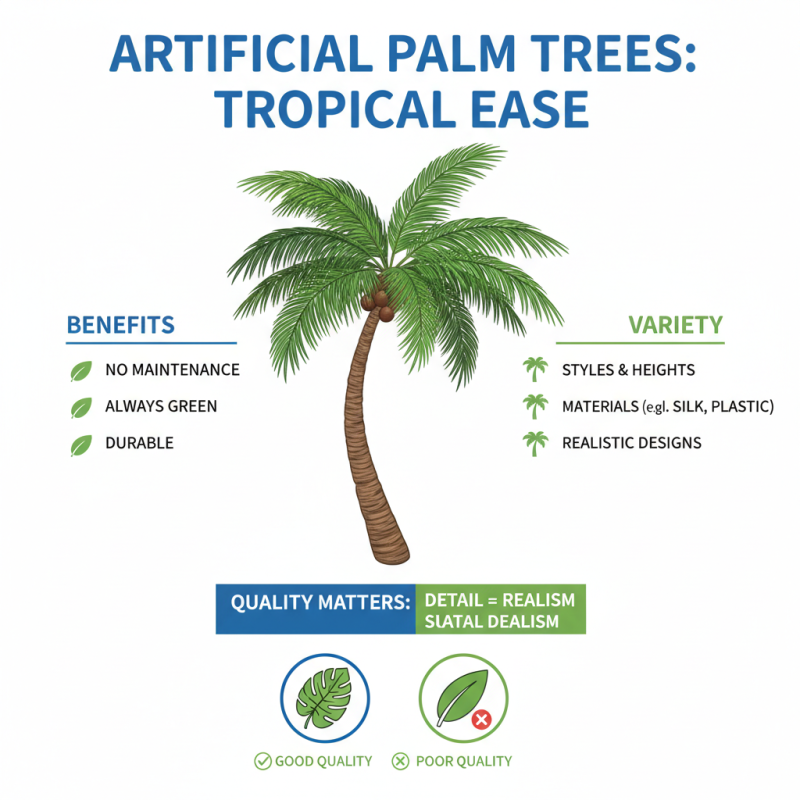
When exploring the world of synthetic landscaping, artificial palm trees stand out. These creations deliver a tropical vibe without the upkeep of real plants. They come in various styles, heights, and materials. Many manufacturers focus on creating lifelike designs. The delicate leaves and realistic trunks trick the eye. Yet, not all are made equal. Some lack detail, making them seem cheap.
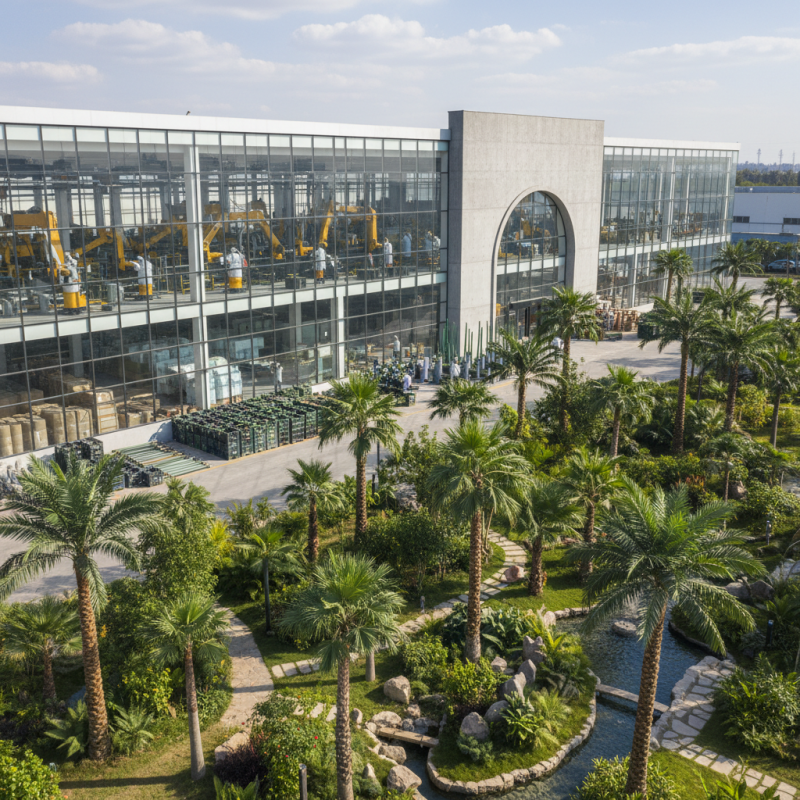
Globally, numerous factories specialize in producing these trees. They utilize advanced techniques and quality control measures. However, inconsistencies exist among different manufacturers. Some may prioritize cost over quality. This can lead to durability issues over time. Buyers need to consider longevity along with aesthetics.
In many cases, artificial palm trees serve multiple purposes. They enhance public spaces, hotels, and homes. However, selecting the right manufacturer can pose challenges. Some designs may not withstand harsh weather. The safety regulations in manufacturing can vary widely. Thus, it’s crucial for customers to research and reflect on their choices.
Factors to Consider When Selecting an Artificial Palm Tree Factory
When selecting an artificial palm tree factory, certain factors should be meticulously evaluated. Material quality is paramount. Factories often use different plastics and silk materials, impacting durability. Reports suggest that artificial plants made from high-grade polyethylene can last up to 10 years outdoors. However, some cheaper alternatives fade quickly. Choose wisely to avoid replacements.
Another key factor is customization options. Many factories offer tailored designs. This allows businesses to create unique aesthetics. A survey by industry experts indicated that 40% of buyers prefer bespoke designs over standard options. Clarity in communication with manufacturers is essential. Ensure they understand your vision, or the final product may not meet expectations.
Lastly, consider production capacity. A factory that can produce large quantities quickly may be beneficial for large projects. But, this shouldn't compromise quality. In 2022, 35% of businesses reported delays due to low-quality production. Balancing speed and quality is a common struggle for many. Keep these factors in mind to inform your choices effectively.
Top Artificial Palm Tree Factories - Production Capacity Comparison
Innovative Techniques Used in Producing Artificial Palm Trees
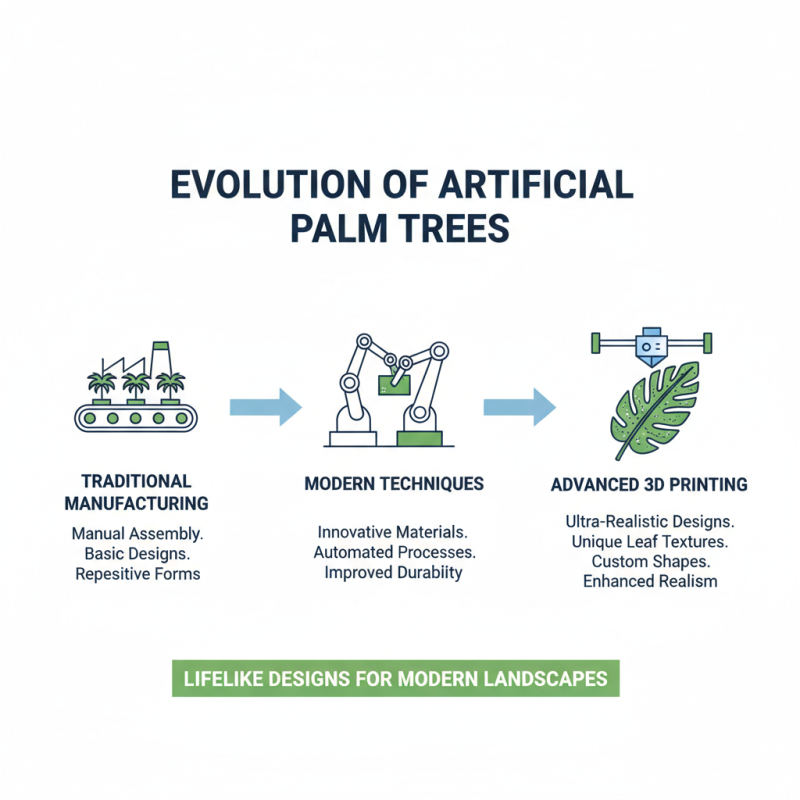
The production of artificial palm trees has evolved significantly. Factories use innovative techniques to create lifelike designs. One popular method involves 3D printing. It allows for detailed textures and shapes. With this technology, every leaf can look unique. This adds to the realism of the finished product.
Additionally, factories employ advanced color pigments. These pigments resist fading, even in bright sunlight. The use of UV protection enhances durability. However, achieving the perfect shade can be a challenge. Some colors may not replicate natural variations well. It requires constant experimentation and adjustment.
Another technique involves the use of eco-friendly materials. Many factories are shifting towards sustainable options. This helps reduce environmental impact. Yet, sourcing quality sustainable materials can be tricky. There is a balance between cost and quality. Manufacturers often face this dilemma. Finding reliable suppliers is crucial for maintaining standards.
Sustainability Practices in Artificial Palm Tree Manufacturing
The manufacturing of artificial palm trees often raises sustainability concerns. Many factories are exploring eco-friendly materials. These materials can reduce environmental impact. Using recycled plastics is one approach. This helps divert waste from landfills.
Some manufacturers focus on energy efficiency. They are investing in renewable energy sources. Solar panels or wind energy can power production lines. However, this transition can be costly and slow. Many factories still rely on traditional energy sources.
Water usage is another area for improvement. Some factories have adopted closed-loop systems. These systems recycle water throughout the process. While this reduces waste, not all facilities have the resources to implement such systems. There are gaps in sustainable practices that need attention. Optimization of these processes can make a difference in the long run.
Top Artificial Palm Tree Factories You Should Know About? - Sustainability Practices in Artificial Palm Tree Manufacturing
| Factory Location |
Year Established |
Production Capacity (units/year) |
Sustainability Certifications |
Eco-Friendly Materials Used |
| California, USA |
2010 |
5000 |
ISO 14001 |
Bamboo, Recycled Plastics |
| Dubai, UAE |
2015 |
3000 |
LEED Certification |
Recycled Aluminum, Organic Dyes |
| Singapore |
2012 |
7000 |
ISO 50001 |
Biodegradable Plastics |
| Barcelona, Spain |
2008 |
4500 |
FSC Certified |
Natural Fibers, Reclaimed Wood |
Customer Reviews and Insights on Leading Palm Tree Suppliers
When it comes to artificial palm trees, customer reviews reveal a lot. Many buyers emphasize the importance of authenticity. They often seek lifelike products that enhance their spaces. The texture and color of the leaves matter significantly. Consumers appreciate when products mimic real palms closely. Positive feedback usually highlights durability and ease of maintenance.
However, not all experiences are perfect. Some customers find discrepancies between images and actual products. A few have noted that fading occurs when exposed to sunlight. This is crucial for long-term buyers. Furthermore, different suppliers may have varying standards in quality. Thus, shopping around is essential. Customers often regret not checking multiple sources before making a purchase.
Overall, buyers value companies that listen. Responsive customer service adds to the positive experience. Insights suggest that good reviews stem from genuine products and satisfaction. Many leave feedback to guide future customers. So, understanding these reviews can make a big difference in your selection process.