Top 10 Artificial Grass Fence Factories at Canton Fair 2026?
The upcoming Canton Fair 2026 is set to be a pivotal event for the Artificial Grass Fence Factories industry. Experts predict a surge in innovation and competition at this key trade platform. Renowned industry specialist, Dr. Emily Chen, emphasizes, "Innovation in artificial grass products will redefine consumer expectations." Her insight highlights the evolving nature of this market.
During this fair, from April 15 to May 5, synthetic turf manufacturers will showcase their latest offerings. The integration of AI technology will guide visitors to the best Artificial Grass Fence Factories efficiently. This is a game-changer for procurement, allowing businesses to connect with certified suppliers quickly.
As we look forward to 2026, reflection is necessary. Not all manufacturers prioritize quality. Some attempt to cut corners. Buyers must be vigilant. Ensuring that the products meet standards like ISO and CE is crucial. The fair will push the envelope but also reveal challenges that the industry faces.
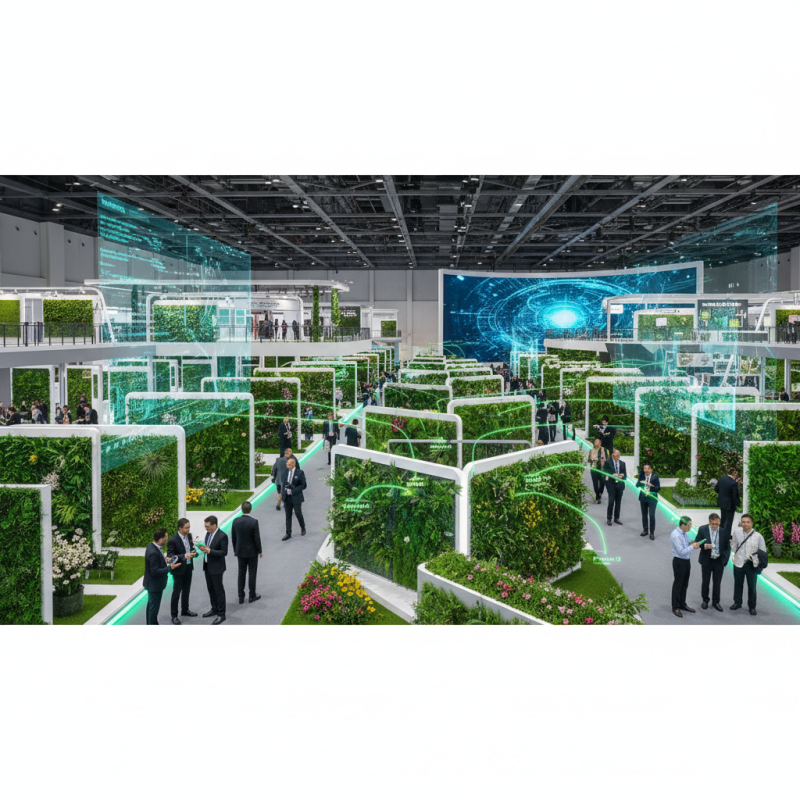
Top Trends in Artificial Grass Fence Innovations at Canton Fair 2026
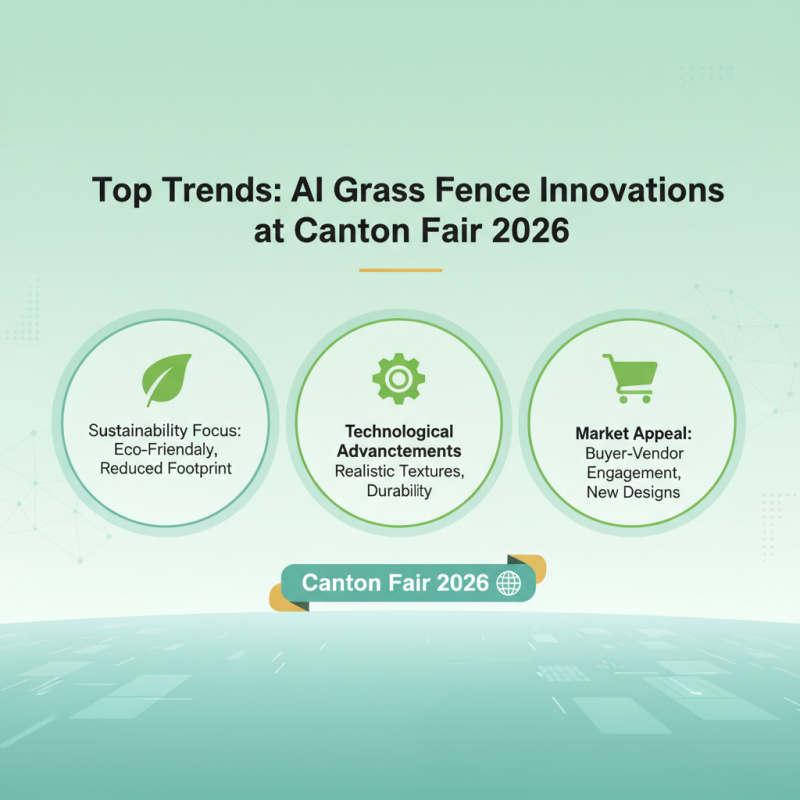
At the Canton Fair 2026, artificial grass fences are set to shine. The latest innovations will captivate both buyers and vendors. Sustainability leads the trend. Many manufacturers focus on eco-friendly materials. They aim to reduce their environmental footprint.
Color options will expand significantly. Natural shades remain popular, but vibrant colors are emerging. This variety allows for unique designs in gardens and parks. Textures will also be more varied. Consumers desire realistic finishes that mimic real grass.
Tips: Look for breathable materials. This helps prevent mold and damage. Choose options that come with warranties. Longevity is key in your investment.
Custom designs are gaining traction. Flexibility in size and shape allows for personal touches in your space. However, quality should not be compromised. Some factories prioritize aesthetics but neglect durability. Always check for reviews and product performance.
Remember, innovation is constant. Keep an eye out for new features. Adaptability is essential in staying ahead in the market. This fair is the perfect opportunity to witness these trends in action.
Key Players in the Artificial Grass Fence Manufacturing Sector
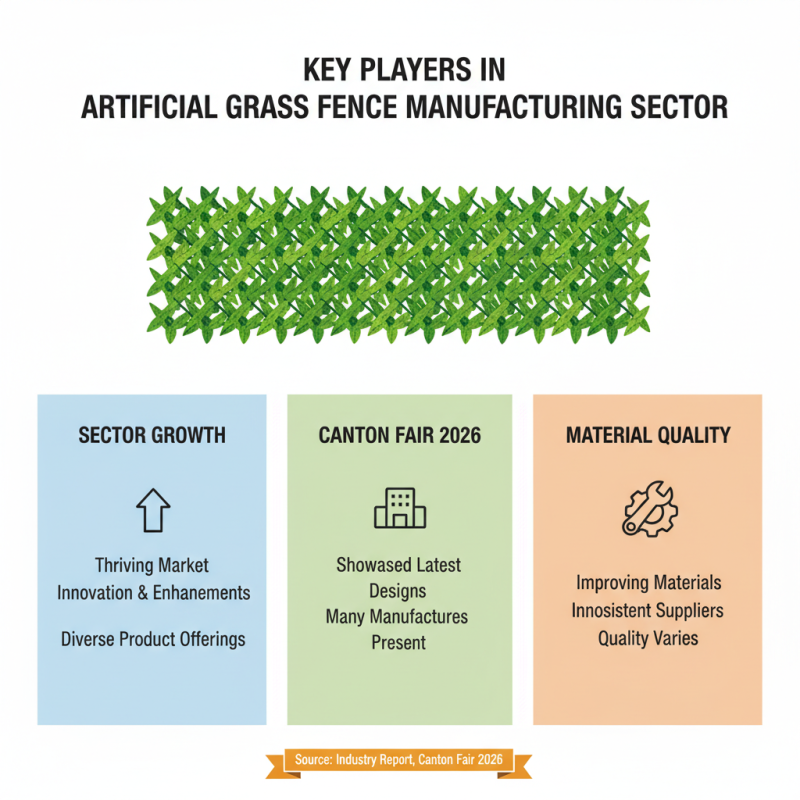
The artificial grass fence manufacturing sector is thriving. Many companies are innovating and enhancing their product offerings. At the Canton Fair 2026, a diverse range of manufacturers showcased their latest designs. The quality of materials is improving, but there’s still a lack of consistency among suppliers.
Some key players specialize in eco-friendly solutions. They focus on sustainability and performance, making advancements in UV resistance and durability. However, not all manufacturers adhere to these principles consistently. Price competition drives some factories to compromise quality, which can lead to customer dissatisfaction. Finding the right balance between cost and quality remains a challenge.
Networking at trade shows has its benefits. Companies can learn about industry trends and collaborate on new technologies. Yet, the fast-paced nature of developments can leave some behind. It's essential for players in this market to adapt and innovate continually. Observations from the fair suggest that commitment to quality will separate the leaders from the laggards in this sector.
Production Capacities and Market Shares of Leading Factories
The 2026 Canton Fair is set to showcase a variety of artificial grass fence factories. These manufacturers play a crucial role in the global market. Their production capacities vary significantly, affecting overall market shares.
Many factories boast impressive production numbers, which reflect their efficiency and technological advancements. Some can produce thousands of square meters daily. However, a few struggle with maintaining quality, leading to inconsistent outputs. This inconsistency can impact their market position. Identifying factories with stable production and high-quality standards is essential.
Tips: Pay attention to the production process. Look for transparency in manufacturing practices. Check if the factories offer samples to assess quality. An initial sample can reveal a lot.
Additionally, analyzing market shares can provide insights into leading manufacturers. While some factories take a larger slice of the market, others are emerging with innovative designs or eco-friendly options. Yet, not all new entrants maintain strong production. A thoughtful choice is vital in this booming market.
Sustainability Practices Among Top Artificial Grass Fence Producers
Artificial grass fences are gaining popularity due to their aesthetic appeal and practical uses. However, sustainability is a key concern among consumers today. Many manufacturers are taking steps to minimize their environmental impact. According to a recent industry report, around 65% of artificial grass producers are now incorporating recycled materials into their products. This trend indicates a significant shift towards more eco-friendly practices.
Several factories have adopted new technologies to enhance sustainability. For instance, some use water-saving processes in their manufacturing. Others focus on reducing plastic waste by repurposing scrap materials. Yet, this transformation is not without challenges. Many companies still rely heavily on virgin plastic, which undermines their sustainability claims. Moreover, the recycling processes can be energy-intensive. Thus, these factories face a balancing act between innovation and environmental responsibility.
There's also a growing demand for transparency in this sector. Consumers increasingly want to know how their products are made. Reports show that about 55% of buyers consider sustainable practices before making a purchase. This awareness pushes manufacturers to be accountable. Some factories are struggling to keep up with this demand. As they navigate these complexities, the focus on sustainable practices will likely shape the future of artificial grass fencing.
Top 10 Artificial Grass Fence Factories at Canton Fair 2026
| Factory Location |
Annual Production Capacity (sq ft) |
Sustainability Certification |
Recycled Materials Percentage |
Eco-Friendly Production Methods |
| Location A |
500,000 |
ISO 14001 |
25% |
Solar Energy |
| Location B |
700,000 |
LEED Certified |
30% |
Water Conservation Techniques |
| Location C |
450,000 |
Green Seal |
20% |
Biodegradable Materials |
| Location D |
800,000 |
CertiPUR |
40% |
Low Emission Technologies |
| Location E |
600,000 |
FSC Certified |
35% |
Recycling Program |
| Location F |
550,000 |
Cradle to Cradle |
28% |
Energy Efficient Processes |
| Location G |
700,000 |
GOTS Certified |
50% |
Digital Printing Techniques |
| Location H |
500,000 |
B Corporation Certified |
22% |
Waste Reduction Strategies |
| Location I |
650,000 |
OEKO-TEX Standard |
33% |
Closed Loop Production |
| Location J |
400,000 |
Energy Star |
18% |
Sustainable Sourcing |
The Role of Technology in Enhancing Artificial Grass Fence Quality
The quality of artificial grass fences greatly improves with technology. Advanced manufacturing processes play a vital role. New techniques ensure durability, color retention, and UV resistance. Automated systems allow for precision in cutting and shaping materials. This leads to better fit and finish. The result? An artificial fence that looks real and lasts longer.
Innovative technologies also focus on sustainability. Biodegradable materials are gaining traction. They reduce environmental impact while maintaining aesthetics. However, not all manufacturers adopt these practices. Some still prioritize cost over quality, leaving room for improvement. Technological advancements can bridge this gap by encouraging eco-friendly options.
Consumer expectations have changed. People seek products that combine beauty with functionality. Artificial grass fences must be appealing while serving practical needs. Companies are responding, yet some still struggle with inconsistent quality. The challenge remains to balance innovation and reliability. As the industry evolves, quality control must follow suit.
Top 10 Artificial Grass Fence Factories at Canton Fair 2026
This bar chart displays the quality ratings of the top 10 artificial grass fence factories presented at the Canton Fair 2026. The ratings reflect the advancements in technology that enhance the manufacturing processes and overall product quality.