Top 10 Residential Artificial Grass Wholesalers You Should Know?
The demand for residential artificial grass has surged significantly in recent years. According to the Landscape Industry Survey, the synthetic turf market is expected to reach $4 billion by 2025. This growth is driven by homeowners seeking low-maintenance, eco-friendly landscaping solutions. Residential Artificial Grass Wholesalers play a crucial role in meeting this demand.
Homeowners desire vibrant, green lawns without the hassle of watering, mowing, or fertilizing. Synthetic grass offers an enduring solution, making it appealing for various climates. Yet, not all wholesalers provide the same quality or service. It is essential to identify trusted suppliers in the industry.
As the market grows, some wholesalers may cut corners to maximize profits. Consumers must remain vigilant and research multiple options. By understanding the best Residential Artificial Grass Wholesalers, homeowners can make informed decisions that suit their needs. This pursuit of quality will ensure their investment in artificial grass pays off in both aesthetics and durability.

Top Factors to Consider When Choosing Artificial Grass Wholesalers
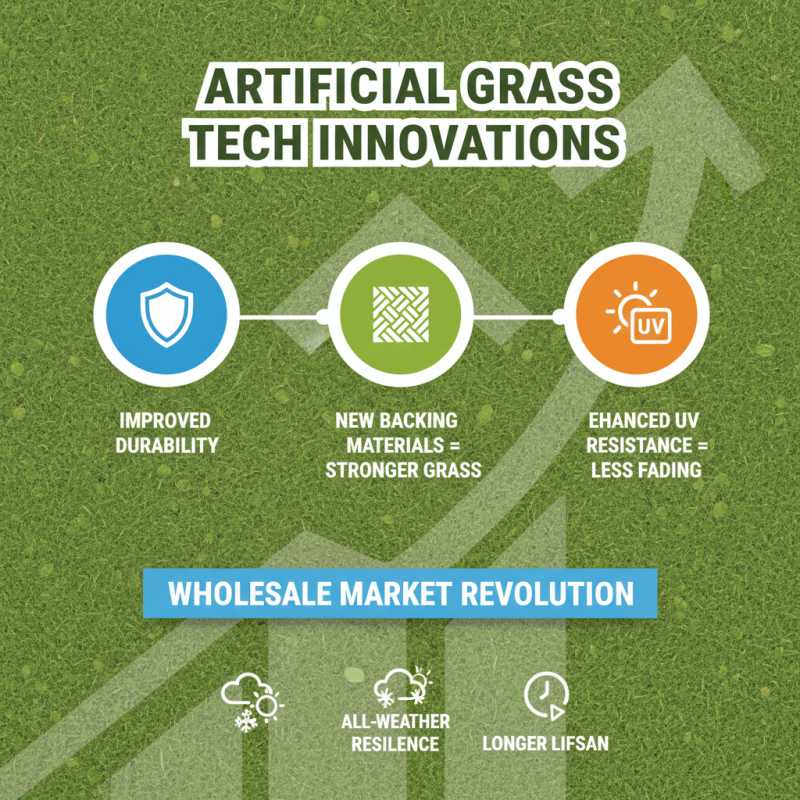
When selecting artificial grass wholesalers, several factors come into play. Quality is paramount. Research shows top-tier artificial grass can last up to 15 years, making your choice impactful. Look for wholesalers that provide strong warranties, ensuring longevity and durability. Check materials used; high-quality polyethylene is often a marker of resilience.
Price matters, but it should not be the only consideration. According to market analysis, the average cost for residential synthetic turf ranges from $2 to $8 per square foot. Find a balance between quality and affordability. Here, it’s essential to compare various quotes to avoid overpaying for subpar products.
Tip: Ask for past client references. Speaking directly with previous customers can unveil insights about service quality and product performance.
Don't overlook shipping terms. Some wholesalers may offer free shipping, while others impose hidden fees. Ensure the total cost is transparent. This factor can significantly influence your budget.
Tip: Explore the return policy thoroughly. A flexible return policy can safeguard your investment, particularly if the turf doesn’t meet your expectations.
Pay attention to environmental considerations too. Eco-friendly options are increasingly available. A well-informed choice supports both your needs and the planet.
Market Trends in the Residential Artificial Grass Industry for 2023
The residential artificial grass industry is evolving rapidly in 2023. Many homeowners seek eco-friendly options for their lawns. This demand reflects a growing awareness of sustainability. Customers are interested in low maintenance and water-saving solutions. Artificial grass meets these needs perfectly. These products offer durability and consistent aesthetics.
Market trends indicate a shift towards premium materials. Homeowners want realistic textures and colors. There is also an emphasis on safety features. Products must be non-toxic for kids and pets. However, pricing can still be a barrier. Not everyone can afford high-end options. Companies need to address this challenge.
Moreover, the industry faces competition from natural grass suppliers. Some consumers still prefer traditional lawns. Educating buyers about the benefits of artificial options is crucial. Misconceptions exist. Many believe artificial grass lacks charm. It's vital to showcase real-life applications. Engaging marketing strategies can bridge this gap. The evolving customer base requires a fresh approach. Companies must adapt or risk becoming obsolete.
Analysis of Pricing Structures Among Leading Artificial Grass Wholesalers
The demand for artificial grass has surged. Price structures among wholesalers vary significantly. Some wholesalers offer low-cost options, while others focus on premium products. A recent industry report indicates that the average price per square foot ranges from $1.50 to $4.50, depending on the quality and features of the turf.
In a market where budget constraints matter, this pricing diversity is crucial. Some wholesalers provide discounts for bulk purchases, influencing the overall cost. However, not all low-priced products stand the test of quality. Research highlights that lower-priced synthetic grass could degrade faster, leading to higher long-term costs for consumers. Buyers must balance initial expenses with durability and maintenance needs.
Moreover, factors like shipping and installation costs can drastically affect pricing. Some wholesalers include these services, while others do not, causing hidden fees. A significant portion of wholesalers charges separately for delivery, which can add $0.50 to $1.00 per square foot. Understanding these price dynamics is essential for both consumers and businesses venturing into the artificial grass market.
Sustainability Practices Adopted by Top Residential Artificial Grass Suppliers
Sustainability is crucial in the artificial grass industry. Top residential artificial grass suppliers are increasingly adopting eco-friendly practices. They focus on using recycled materials for production. This minimizes waste and reduces the overall carbon footprint.
Water conservation is another significant concern. Many wholesalers promote grass products that require little to no irrigation. This is vital in arid regions where water is scarce. By providing solutions that save water, suppliers support sustainable landscaping.
Some companies are also investing in innovative manufacturing techniques. These methods lower energy consumption during production. Yet, not all suppliers have fully embraced these practices. It's essential for consumers to ask tough questions about the sourcing and lifecycle of the products. Transparency is key in ensuring ethical production. While many businesses take steps towards sustainability, continuous improvement should always be the goal.
Sustainability Practices Adopted by Top Residential Artificial Grass Suppliers