What is the Future of Artificial Grass Fences at Canton Fair?
As the 139th Canton Fair approaches, the future of Artificial Grass Fences is a topic of significant interest. Renowned expert John Smith, an authority in the field of Artificial Grass Fences Factories, has shared, "The demand for innovative fencing solutions is surging." This trend highlights growing concerns about traditional materials and their environmental impact.
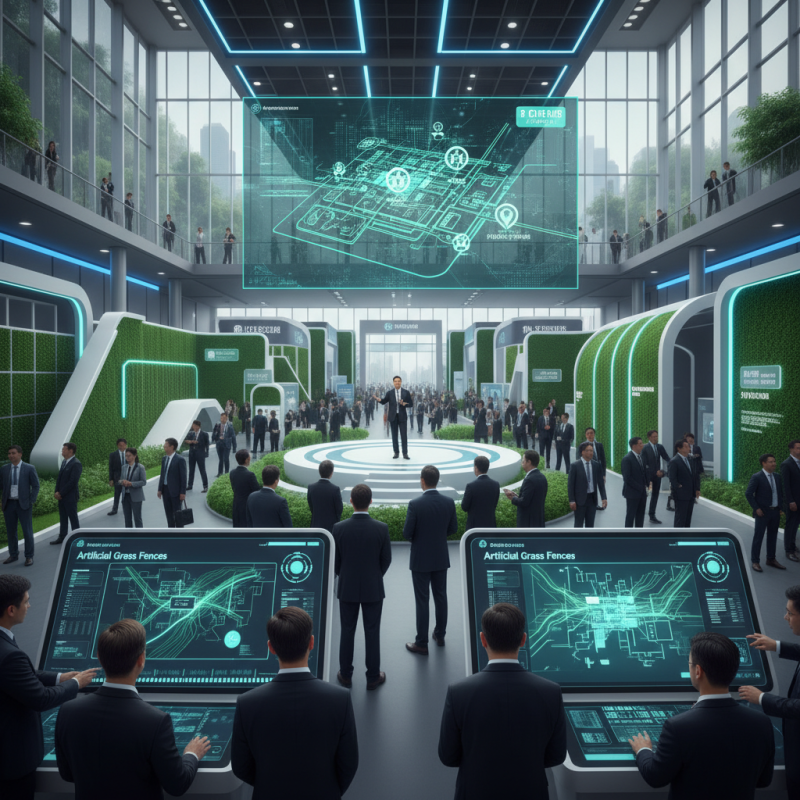
The integration of advanced technology, including AI, at the upcoming fair could change how stakeholders interact with suppliers. In the vast 1.55 million square meter venue, faster and smarter navigation will greatly enhance efficiency. Buyers looking for Artificial Grass Fences Factories will find it easier to identify compliant manufacturers.
Yet, challenges remain. Not all factories maintain high standards, and quality can vary widely. Both suppliers and buyers must prioritize transparency. The evolving landscape suggests a future where artificial grass fencing is not just functional but also environmentally friendly.
Overview of Artificial Grass Fences in the Market
Artificial grass fences are gaining popularity in the market. This trend reflects a growing desire for low-maintenance solutions in landscaping. Many homeowners and businesses find them appealing for various reasons. These fences provide privacy and enhance aesthetics without constant upkeep.
In recent years, the market has seen an influx of options and designs. Some versions mimic the appearance of real grass. Others feature vibrant colors or patterns. This variety allows property owners to choose styles that suit their needs. However, potential buyers should consider durability and environmental impact. It’s essential to reflect on the quality of materials used. Some products may not withstand harsh weather or high UV exposure. This could lead to quicker deterioration, which is a concern for long-term investments.
The future of artificial grass fences looks promising. As technology advances, new and improved materials are emerging. Future offerings may include better UV resistance and easier installation processes. Nonetheless, consumers must remain vigilant. Evaluating product longevity and sustainability factors is crucial. Making informed decisions will lead to better outcomes for both aesthetics and environmental responsibility.
Recent Innovations in Artificial Grass Fence Technology
Artificial grass fences are gaining attention at the Canton Fair. Recent innovations are transforming this industry. Manufacturers are now focusing on eco-friendly materials. These materials help enhance durability and aesthetics. The rise of smart technology is also a key trend. Some fences can change color or texture through mobile apps.
Moreover, customization options are expanding. Buyers can choose different heights and colors. Some fences even come with integrated lighting solutions. This innovation offers both function and design appeal. Yet, challenges remain. Not all installations are perfect. Weather conditions can affect longevity.
Consumers are becoming more discerning. They seek products that balance quality and cost. As the market evolves, feedback is crucial. Manufacturers need to adapt based on user experiences. This will ensure that artificial grass fences remain relevant and desirable.
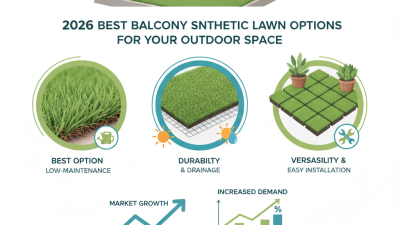
This chart illustrates key innovation impacts on artificial grass fences showcased at the Canton Fair. Recent advancements focus on enhancing durability and UV resistance, accelerating installation, reducing costs, and meeting growing market demand.
Advantages of Using Artificial Grass Fences for Landscaping
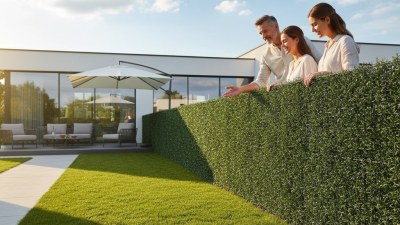
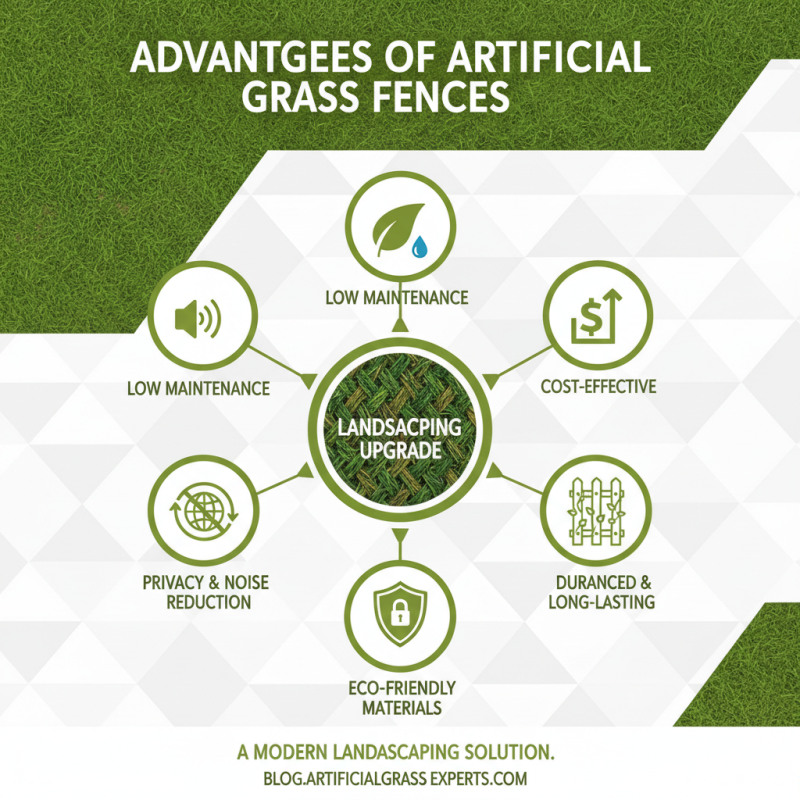
Artificial grass fences are gaining popularity in landscaping. They offer a refreshing alternative to traditional wooden or wrought iron fences. Made from durable synthetic fibers, they replicate the look of real grass. This unique feature enhances aesthetics while providing practical benefits.
One advantage is maintenance-free beauty. Traditional fences require painting and repairing. In contrast, artificial grass fences only need occasional cleaning. They withstand harsh weather without fading. This durability saves time and effort.
**Tips:** Consider using a variety of heights for added interest. Mixing colors can create a vibrant, dynamic look. Think about the local climate when selecting your materials. Some may reflect sunlight, so check for any potential heat issues.
Another benefit is versatility. These fences can be installed in various settings. They can complement gardens, pools, or patios. Installation is often simpler than conventional fencing. This flexibility makes them suitable for diverse landscapes.
**Tips:** Ensure proper drainage when installing. Water pooling can damage the bases. Remember to check local regulations. Some areas may have restrictions for fencing materials.
Sustainable Practices and Environmental Impact of Artificial Grass Fences
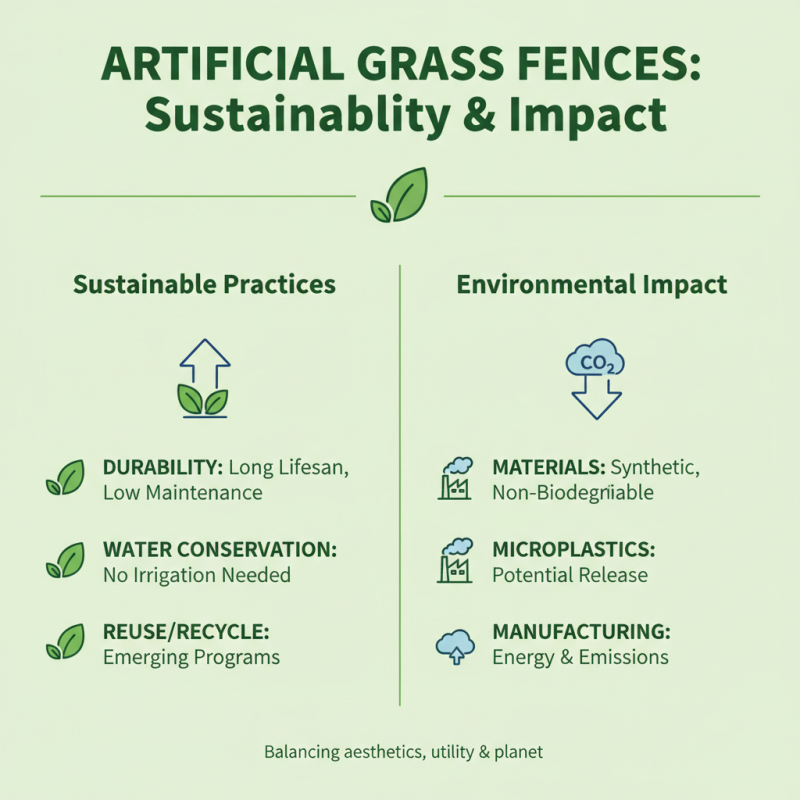
The discussion around artificial grass fences is evolving. As more people seek sustainable living solutions, these fences draw attention. Made from synthetic materials, they offer durability. Yet, their environmental impact raises concerns.
Artificial grass requires energy to produce. It can contribute to waste at the end of its lifecycle. Biodegradability is a critical issue. Many products don’t decompose easily, leading to landfill problems. The question remains: are we truly achieving sustainability?
Innovative methods for recycling and reusing artificial grass exist. Some companies explore biodegradable options. These initiatives could change the landscape of synthetic fencing. However, widespread adoption is still a challenge. More awareness is needed about material sourcing and long-term impacts. The future of artificial grass fences depends on our collective choices.
Future Trends and Predictions for Artificial Grass Fences at Canton Fair
The future of artificial grass fences at the Canton Fair looks promising. Industry reports predict a steady growth rate of 7% annually through 2027. Innovations in production and materials are driving this surge. More companies are focusing on sustainability, using recycled materials in their products. This aligns with growing consumer preferences for eco-friendly options.
Tips: Consider how artificial grass can enhance your outdoor spaces. Its durability offers long-term benefits. Not all products are created equal. Always check for high UV resistance and drainage features.
Moreover, customization options are expanding. Consumers prefer fences that blend with their gardens and outdoor aesthetics. The trend of DIY installations is rising, allowing individuals to create unique designs. Yet, some installations have not met quality expectations. Proper research is essential to avoid pitfalls.
As interest in outdoor living increases, artificial grass is becoming a popular choice. It combines practicality with visual appeal. However, the market should address concerns about material longevity and environmental impact. Close attention to product sourcing and lifecycle will be crucial moving forward.
What is the Future of Artificial Grass Fences at Canton Fair? - Future Trends and Predictions for Artificial Grass Fences at Canton Fair
| Trend |
Description |
Predicted Impact |
Market Demand |
| Sustainability |
Increased demand for eco-friendly and sustainable materials. |
Positive effect on brand reputation and sales. |
High |
| Customization |
Growing trend towards personalized and customizable designs. |
Enhances consumer satisfaction and loyalty. |
Moderate |
| Technological Integration |
Integration of smart technology for maintenance and functionality. |
Improves efficiency and user experience. |
Increasing |
| Aesthetic Appeal |
Focus on designs that mimic real grass in appearance. |
Attracts style-conscious consumers. |
High |
| Cost-Effectiveness |
Increased affordability of artificial grass technology. |
Broader market reach and consumer base. |
Very high |