2026 How to Choose the Best Artificial Palm Trees Factories for Your Needs?
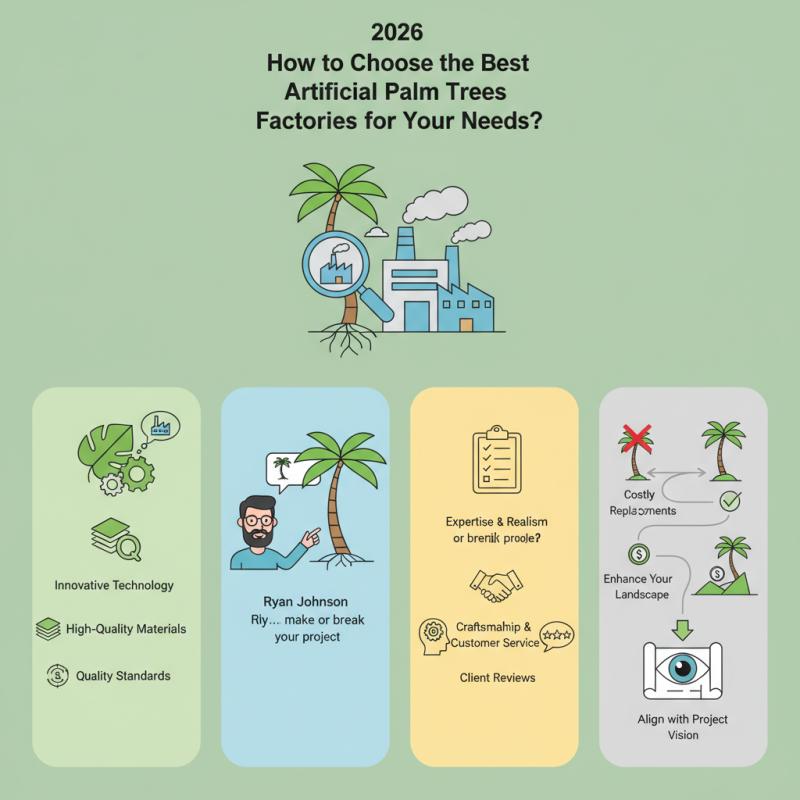
Choosing the right manufacturer in the Artificial Palm Trees Factories industry can be daunting. With so many options available, it's essential to find a supplier that meets your needs. According to Ryan Johnson, a leading expert in landscape design, "The quality of artificial palm trees can make or break your project." This statement underscores the importance of carefully selecting a factory.
Quality matters when it comes to artificial palm trees. The best factories combine innovative technology with high-quality materials. However, not all factories deliver the same standards. Some may prioritize cost-saving over quality. This can lead to disappointing results for your designs. It's crucial to do your homework.
Consider the expertise of a factory in producing realistic products. Check their craftsmanship and customer service. Look for reviews from previous clients. It’s vital to ensure that your chosen factory aligns with your project vision. The right choice can enhance your landscape, while the wrong one may require costly replacements.
Understanding Your Requirements for Artificial Palm Trees
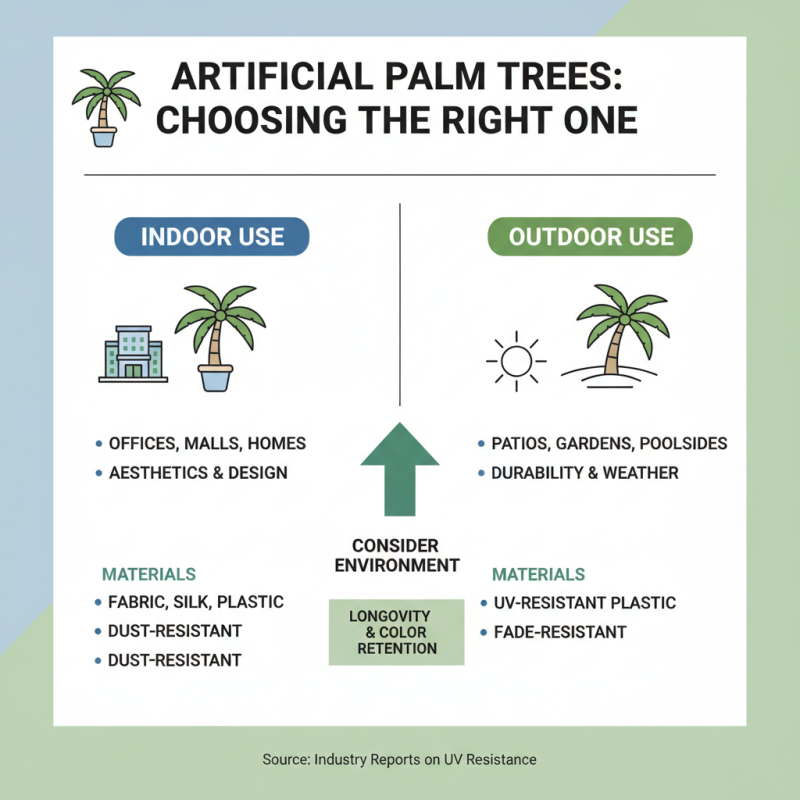
When selecting artificial palm trees, understanding your specific needs is essential. Consider the environment where the trees will be placed. Indoor spaces, like offices or malls, require different materials than outdoor installations. Reports suggest that UV-resistant materials are preferred for outdoor use. They withstand sun exposure better and maintain their color over time.
Additionally, think about the size of the trees. According to industry data, most customers choose between heights of 6 to 10 feet. This range fits well in various spaces without overwhelming them. However, larger options can create dramatic effects, especially in commercial settings. Proper height balances aesthetics with functionality.
It's important to reflect on the maintenance aspects. Some materials require more upkeep. Faux palm trees made from silk or plastic are low-maintenance. But they might not mimic real palms' textures perfectly. Assess how much time you can dedicate to maintenance before making a decision. Remember, ideal choices align with your unique requirements but keep in mind the possible trade-offs.
Evaluating the Quality Standards of Palm Tree Manufacturers
When evaluating artificial palm tree manufacturers, quality is paramount. A comprehensive 2023 report from the Synthetic Landscaping Association highlighted that only 30% of manufacturers met the industry’s stringent quality standards. Discrepancies in material durability can significantly affect product longevity and aesthetic appeal. Many trees lose their vivid colors and structural integrity within just a few seasons. Choosing a reliable factory ensures you're not left with faded, deteriorating products.
It's crucial to assess the materials used by manufacturers. Look for UV-resistant options. This feature prevents fading and maintains the product's vibrant appearance. Inspecting their quality control processes can also be revealing. Do they conduct regular tests? Consistent quality checks can indicate a commitment to excellence. Be wary if a manufacturer seems reluctant to disclose their methods.
Tip: Look for certifications. Verified quality marks can indicate adherence to safety and manufacturing standards. Additionally, seek out customer reviews regarding the durability and lifespan of the products. Not all testimonials are reliable, but patterns may emerge. If several customers mention rapid deterioration, that warrants concern. Make informed choices by considering these factors.
2026 Artificial Palm Trees Quality Evaluation
Analyzing Production Capabilities of Palm Tree Factories
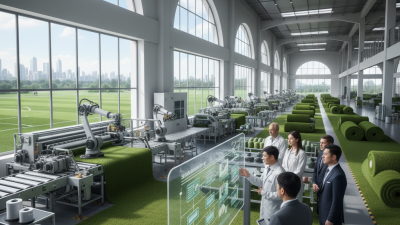
When analyzing the production capabilities of palm tree factories, focus on several key factors. The scale of production is essential. Reports indicate that larger factories can produce thousands of units monthly. Check their output capacity and reliability. Smaller operations may offer customizations that larger factories do not.
Quality control is equally crucial. According to industry statistics, 25% of low-quality artificial palms lead to customer dissatisfaction. Visit the facility if possible. Observe their processes and materials. This insight will provide a clearer picture.
Tips: Look for factories with eco-friendly practices. Sustainability is becoming important to consumers. Also, verify their warranty and return policy. A factory that stands behind its product usually indicates higher quality. Research online reviews for authentic feedback from other buyers. Trust your instincts; sometimes, a gut feeling matters.
Assessing Customer Reviews and Testimonials for Manufacturers
When exploring artificial palm tree manufacturers, customer reviews and testimonials become vital. They provide a window into the quality and reliability of the products. Look for reviews that highlight specific features. Positive comments about durability and aesthetics can indicate a trustworthy factory.
Be wary of overly polished testimonials. They may not reflect the true experience. A mix of good and bad feedback is more realistic. Customers often mention shipping times, customer service, and product authenticity. Understanding these aspects helps gauge potential issues.
Engage with online forums or social media where people discuss their experiences. This can lead to valuable insights. Consider asking specific questions to get the most relevant information. A factory that consistently receives praise for quality should be a strong candidate. However, even the best may have room for improvement in certain areas. Be mindful of this as you make your choice.
Exploring Pricing and Shipping Options for Cost-Effectiveness
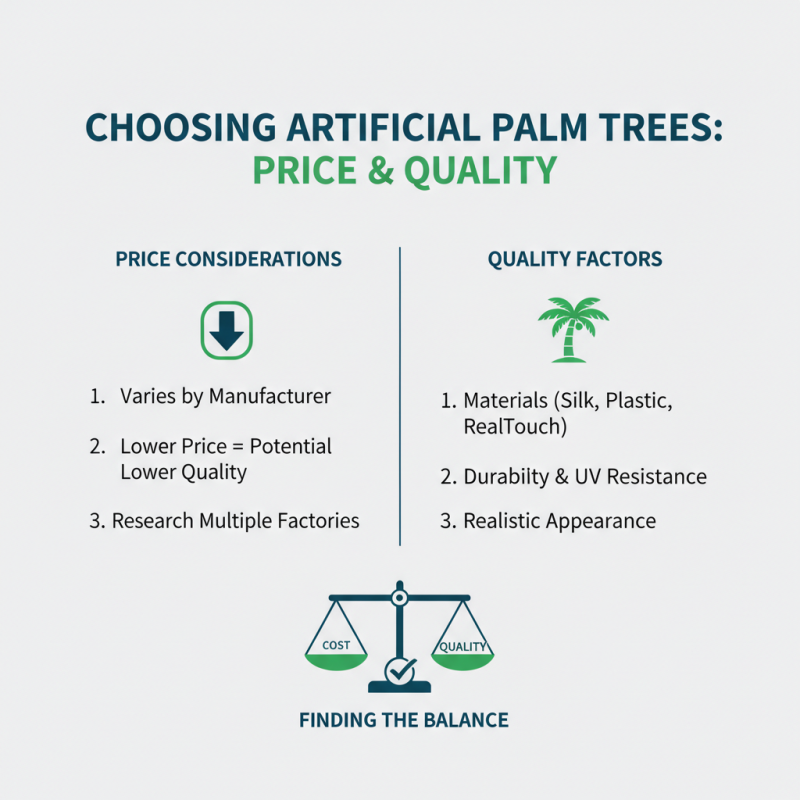
Choosing the right artificial palm trees involves more than just design. Pricing is a key factor in your decision. Manufacturers often have various pricing strategies. Some may offer lower prices, but this could affect quality. Researching multiple factories can help you find the best balance between cost and quality.
Shipping options also play a vital role in overall expenses. Different companies have varying shipping rates. Some offer free shipping for larger orders, while others charge high fees for small quantities. Evaluate shipping times as well. Delays can lead to unsatisfactory experiences, especially for time-sensitive projects.
Consider additional costs, like import duties and taxes. These can unexpectedly increase the final price. Factor in the overall budget to avoid overspending. Reflecting on these aspects can lead you to a more informed choice. Ultimately, it’s important to weigh the value against your needs.